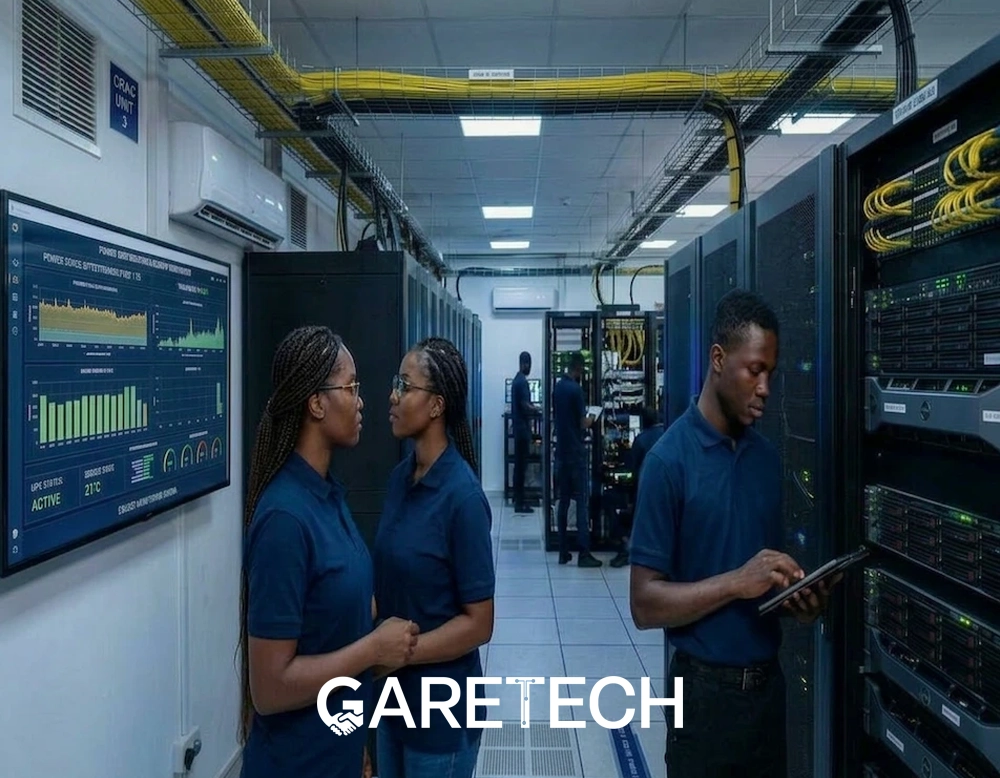
Modern businesses rely heavily on servers and digital infrastructure, and effective Power Management plays an important role in keeping these systems running smoothly. Servers support applications, store important data, and ensure that daily business operations continue without interruption. When server rooms are not planned properly, organizations may experience power overloads, overheating, downtime, and rising electricity costs.
In many server environments, hardware such as power distribution units helps organize and safely distribute electricity to multiple devices. While this equipment is essential, installing hardware alone does not guarantee stability. Businesses also need strong infrastructure planning, monitoring systems, and energy-efficient strategies to maintain a reliable server environment.
When electricity is handled efficiently, IT teams can monitor usage patterns, identify potential issues early, and maintain a stable environment for servers. This improves server room power distribution, supports stronger data center power management, and helps organizations build a reliable and scalable digital infrastructure.
Here 10 Smart Ways to Improve Server Room Power Management
1. Monitor Server Power Usage Regularly
Understanding how much electricity servers consume is the first step toward improving efficiency. Many organizations operate server rooms without actively tracking energy usage, which can lead to wasted power and hidden operational costs.
By using monitoring tools, IT teams can see how much electricity each rack, device, or system consumes. This information helps identify equipment that may be drawing excessive energy.
Monitoring also supports better data center power management, allowing teams to adjust resources and maintain a balanced energy load. With regular tracking, organizations can quickly detect abnormal power usage and prevent potential equipment failures.
2. Plan Power Capacity for Future Growth
Businesses rarely keep the same server infrastructure for long periods. As companies grow, their data storage and processing needs increase, which means more equipment must be added to the server room.
This is why power capacity planning for servers is essential. Planning ahead ensures that the electrical infrastructure can support both current devices and future expansions.
Without proper planning, organizations may run into power shortages when installing additional servers. Thoughtful planning allows businesses to scale their infrastructure while maintaining stability and reliability.
It also improves server infrastructure power planning, helping organizations maintain efficient operations as their technology needs grow.
3. Improve Server Room Layout and Infrastructure
The physical layout of a server room has a direct impact on energy efficiency. Poor organization can create airflow problems, increase cooling demands, and make power distribution difficult to manage.
A well-organized layout helps maintain balanced server room power distribution and ensures equipment operates safely. Clear rack arrangements, labeled cables, and structured wiring systems make maintenance easier for IT teams.
Good layout planning also improves accessibility, allowing technicians to quickly troubleshoot power issues when they occur.
By designing an organized environment, businesses can reduce energy waste and improve the reliability of their entire server infrastructure.
4. Use Intelligent Monitoring Systems
Modern server rooms benefit greatly from intelligent monitoring tools. These systems provide real-time insights into voltage levels, energy usage, and equipment performance.
With advanced monitoring tools, administrators can detect unusual patterns before they become serious problems. For example, if a server rack begins drawing more electricity than expected, the system can generate an alert.
These technologies help organizations implement better power management solutions for servers by providing detailed information about energy usage and system performance.
Real-time monitoring also allows IT teams to make smarter decisions when managing server infrastructure and allocating resources.
5. Optimize Cooling Systems
Cooling systems are one of the largest sources of electricity consumption in server environments. When cooling systems are inefficient, they increase operating costs and place unnecessary strain on the infrastructure.
Improving airflow and maintaining proper temperature control can significantly improve data center power efficiency. Strategies such as hot aisle and cold aisle configurations help direct airflow more effectively.
Temperature monitoring sensors can also help ensure that cooling systems operate only when necessary.
By optimizing cooling processes, organizations can reduce energy waste while keeping servers at safe operating temperatures.
6. Implement Redundant Power Systems
Unexpected power outages can cause serious disruptions for businesses that rely on servers. Even a short interruption can lead to data loss, service downtime, and financial losses.
Redundant power systems provide backup electricity during unexpected failures. These systems may include backup generators, uninterruptible power supplies (UPS), or secondary electrical circuits.
Having multiple energy sources improves reliability and supports stronger data center power management practices.
With reliable backup systems in place, organizations can maintain stable operations even during electrical disruptions.
7. Conduct Regular Power Audits
Regular inspections and energy assessments are essential for maintaining efficient server operations. A power audit helps organizations evaluate how electricity flows through their infrastructure.
During an audit, technicians review equipment performance, electrical connections, and energy consumption patterns. This process helps identify inefficiencies and potential risks.
Routine audits also support better server infrastructure power planning, ensuring that systems continue operating efficiently as technology evolves.
By evaluating energy usage regularly, businesses can make adjustments that improve long-term infrastructure stability.
8. Upgrade to Energy-Efficient Server Hardware
Older servers often consume more electricity than modern hardware. As technology evolves, manufacturers design equipment with improved energy efficiency.
Upgrading to newer hardware helps reduce electricity consumption and improves overall system performance.
Modern servers are often designed to adjust power usage automatically based on workload demands. This feature allows organizations to maintain performance while reducing unnecessary energy use.
Energy-efficient equipment contributes to improved data center power efficiency, helping businesses lower operating costs and reduce environmental impact.
9. Use Automation for Energy Control
Automation is becoming increasingly important in server infrastructure management. Automated systems can monitor energy consumption, adjust server activity, and optimize power usage without constant manual intervention.
For example, unused servers can automatically enter low-power modes during periods of low demand. This reduces electricity consumption while maintaining system availability.
Automation also helps improve how to improve server room power efficiency strategies by ensuring that resources are used only when needed.
With automated tools in place, IT teams can focus more on system optimization rather than routine energy management tasks.
10. Train IT Teams on Best Practices
Technology alone cannot ensure efficient energy management. Skilled professionals play a crucial role in maintaining a stable server environment.
Training IT teams on energy management practices helps them understand how to monitor systems, manage electrical loads, and respond quickly to potential issues.
Well-trained teams can identify inefficiencies, optimize infrastructure performance, and implement better power management solutions for servers.
Continuous education ensures that organizations maintain reliable operations while adapting to new technologies and evolving industry standards.
Why Efficient Server Room Energy Management Matters
Efficient energy management is essential for organizations that rely on digital infrastructure. Servers operate continuously, which means electricity usage must be carefully monitored and controlled.
When businesses implement smart strategies, they reduce downtime risks, lower operational costs, and maintain stable infrastructure performance.
Strong planning also improves server room power distribution, allowing organizations to balance electrical loads across equipment more effectively.
Efficient systems also contribute to improved data center power management, ensuring that electricity resources are used responsibly.
Building a Reliable and Efficient Server Infrastructure
Improving server room efficiency requires a combination of technology, planning, and skilled management. Businesses must understand their energy requirements and design infrastructure that supports both current operations and future expansion.
By focusing on monitoring systems, efficient cooling, infrastructure planning, and modern hardware, organizations can significantly improve their operational stability.
A well-designed strategy helps companies strengthen server infrastructure power planning, ensuring their technology environment remains reliable as their digital needs grow.
Conclusion
Server rooms form the backbone of modern digital operations. Without careful planning and energy control, organizations risk system instability, higher operating costs, and potential downtime.
By monitoring usage, improving infrastructure layout, optimizing cooling systems, and adopting automation tools, businesses can create more efficient server environments. These improvements support better data center power efficiency, enhance infrastructure reliability, and help organizations develop effective long-term energy strategies.
When companies invest in smarter infrastructure planning and modern technologies, they build a strong foundation for reliable digital operations and sustainable business growth.