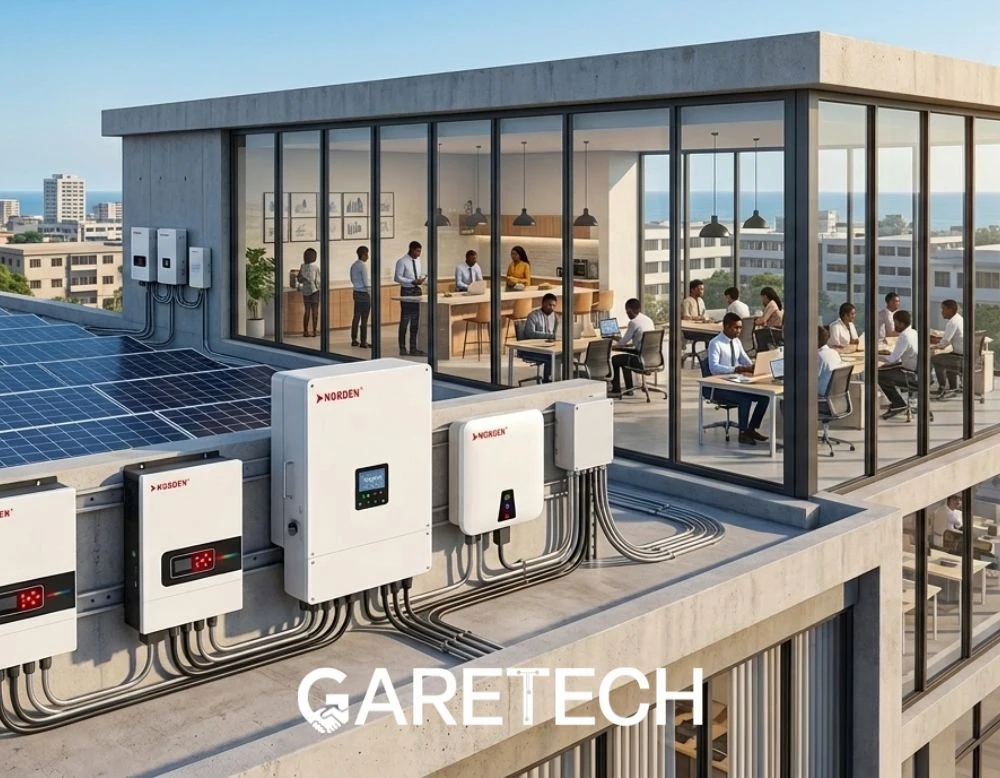
Energy reliability is one of the biggest challenges many businesses face in Ghana today. Frequent power outages, rising electricity costs, and the need for sustainable operations are pushing companies to explore smarter energy solutions. One of the most effective options is Installing Solar Batteries, which allows businesses to store energy and use it whenever needed.
When combined with a solar inverter system, solar batteries can transform how businesses manage electricity. However, before making the investment, it’s important to understand key factors that can impact performance, cost, and long-term benefits.
In this guide, we’ll walk you through the 10 most important things Ghanaian businesses should know before Installing Solar Batteries, using simple and practical insights.
Why Installing Solar Batteries Is a Smart Choice for Ghanaian Businesses
Installing Solar Batteries is more than just a trend—it’s a strategic business decision. In Ghana, where power supply can be inconsistent, solar batteries provide a reliable backup and reduce dependence on the national grid.
Here’s why many businesses are choosing this solution:
- Energy Independence: Reduce reliance on unstable electricity supply
- Cost Savings: Lower monthly electricity bills over time
- Business Continuity: Keep operations running during outages
- Eco-Friendly Solution: Reduce carbon footprint and support sustainability
- Scalability: Easily expand your system as your business grows
A well-designed solar battery system for businesses ensures you always have power when you need it most.
Here are the 10 Things Ghana Businesses Should Know Before Installing Solar Batteries
1. Understand Your Energy Needs First
Before Installing Solar Batteries, you need to evaluate how much energy your business consumes daily. This helps determine the size and capacity of your system.
Ask yourself:
- What equipment uses the most power?
- How many hours do you operate daily?
- Do you need backup power or full energy independence?
Understanding these factors will help you design the right commercial solar battery setup without overspending or underestimating your needs.
2. Learn the Solar Battery Installation Process
Knowing the solar battery installation process helps you plan better and avoid surprises.
The process usually includes:
- Energy assessment and site inspection
- System design and planning
- Equipment selection
- Installation and wiring
- Testing and commissioning
When Installing Solar Batteries, working with experienced professionals ensures the system is installed safely and efficiently.
3. Choose the Right Battery Type
Not all batteries are the same. The type you choose will affect performance, lifespan, and cost.
Common options include:
- Lithium-ion batteries: Long lifespan, high efficiency
- Lead-acid batteries: Lower cost but shorter lifespan
For most businesses in Ghana, lithium-ion batteries are preferred for a reliable solar battery system for businesses.
4. Consider Your Budget and ROI
Installing Solar Batteries requires an upfront investment, but the long-term savings can be significant.
Key financial factors:
- Initial installation cost
- Maintenance expenses
- Energy savings over time
- Return on investment (ROI)
A properly planned solar energy storage installation can pay for itself within a few years, especially with rising electricity costs.
5. Plan for Future Expansion
Your business will grow, and your energy needs may increase. When Installing Solar Batteries, choose a system that can be expanded easily.
A scalable commercial solar battery setup allows you to:
- Add more batteries later
- Increase storage capacity
- Upgrade your system without replacing everything
Planning ahead saves money and avoids future disruptions.
6. Ensure Proper Installation and Safety
Safety should never be ignored when Installing Solar Batteries. Poor installation can lead to system failure or even hazards.
Important safety considerations:
- Proper wiring and connections
- Ventilation for battery systems
- Protection from overheating
- Use of certified installers
A professional solar battery installation process ensures your system operates safely and efficiently.
7. Understand Maintenance Requirements
Although solar batteries require less maintenance than generators, they still need regular checks.
Maintenance includes:
- Monitoring battery performance
- Cleaning components
- Checking connections
- Updating system software (if applicable)
A well-maintained solar battery system for businesses will last longer and perform better.
8. Know the Local Climate Impact
Ghana’s climate can affect how solar batteries perform. High temperatures and humidity can influence battery lifespan.
When Installing Solar Batteries, consider:
- Installing in a cool, shaded area
- Using weather-resistant equipment
- Ensuring proper ventilation
This helps protect your solar energy storage installation and ensures consistent performance.
9. Avoid Common Mistakes Businesses Make
Many businesses make costly mistakes when Installing Solar Batteries. Avoid these common errors:
Common Mistakes Businesses Make When Installing Solar Batteries
- Choosing the cheapest option instead of the best quality
- Ignoring proper energy assessment
- Hiring unqualified installers
- Not planning for future expansion
- Skipping maintenance
Avoiding these mistakes ensures your commercial solar battery setup delivers maximum value.
10. Work with a Trusted Solar Provider
The success of your project depends heavily on the installer you choose. A reliable provider will guide you through every step of Installing Solar Batteries.
Look for:
- Proven experience in Ghana
- Positive customer reviews
- Warranty and after-sales support
- Customized solutions for your business
A good provider ensures your solar battery installation process is smooth and stress-free.
How to Install Solar Batteries
If you’re wondering how to install solar batteries, here’s a simple overview:
- Conduct an energy audit
- Design the system based on your needs
- Select the right battery and components
- Install panels and battery storage system
- Connect to your power system
- Test and activate the system
While this may sound simple, Installing Solar Batteries should always be done by professionals to ensure safety and efficiency.
Top Considerations When Installing Solar Batteries for Your Business
Before making your final decision, keep these key points in mind:
- Energy usage and demand
- Budget and financing options
- Battery type and lifespan
- Installation quality
- System scalability
- Maintenance needs
These considerations will help you get the most out of your solar energy storage installation.
Benefits of Installing Solar Batteries for Ghana Businesses
Let’s quickly look at why Installing Solar Batteries is becoming popular across Ghana:
- Reliable power supply during outages
- Reduced generator usage and fuel costs
- Lower electricity bills
- Increased business productivity
- Eco-friendly energy solution
A well-executed solar energy storage installation can transform how businesses manage power.
Conclusion
Installing Solar Batteries is one of the smartest investments Ghanaian businesses can make today. It not only provides reliable power but also reduces operational costs and supports sustainable growth. By understanding the solar battery installation process, avoiding common mistakes, and planning for the future, your business can enjoy long-term benefits from a well-designed solar battery system for businesses.
Whether you run a small office or a large commercial facility, taking the time to plan properly will ensure your commercial solar battery setup delivers maximum value. Now is the perfect time to embrace solar energy and take control of your business power needs in Ghana.